


When businesses search for office space in Singapore, location is usually the starting point. A well-known address in the CBD or a recognised commercial district can carry a certain level of prestige.
However, a good office location is not defined solely by its address. The real value lies in how well the space supports the people who use it every day, and how it contributes to the way a business operates and grows.
Here are the key factors that go beyond the address when choosing the right office location.
- Accessibility and Daily Convenience
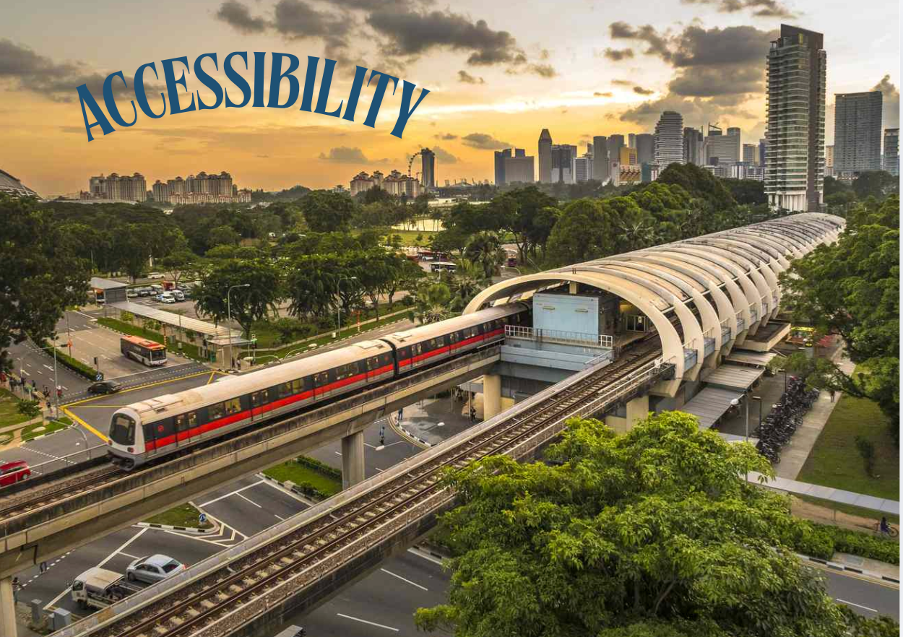
An office may be centrally located, but accessibility is what determines how practical it is on a daily basis.
Consider how easily employees and clients can get there. Proximity to MRT stations, bus routes and major roads make a significant difference, especially during peak hours.
Beyond transport, daily convenience also matters. Access to food options, coffee spots, gyms and essential services can shape the overall work experience. A location that supports these needs often leads to better employee satisfaction and smoother day-to-day operations.
2. The Surrounding Environment
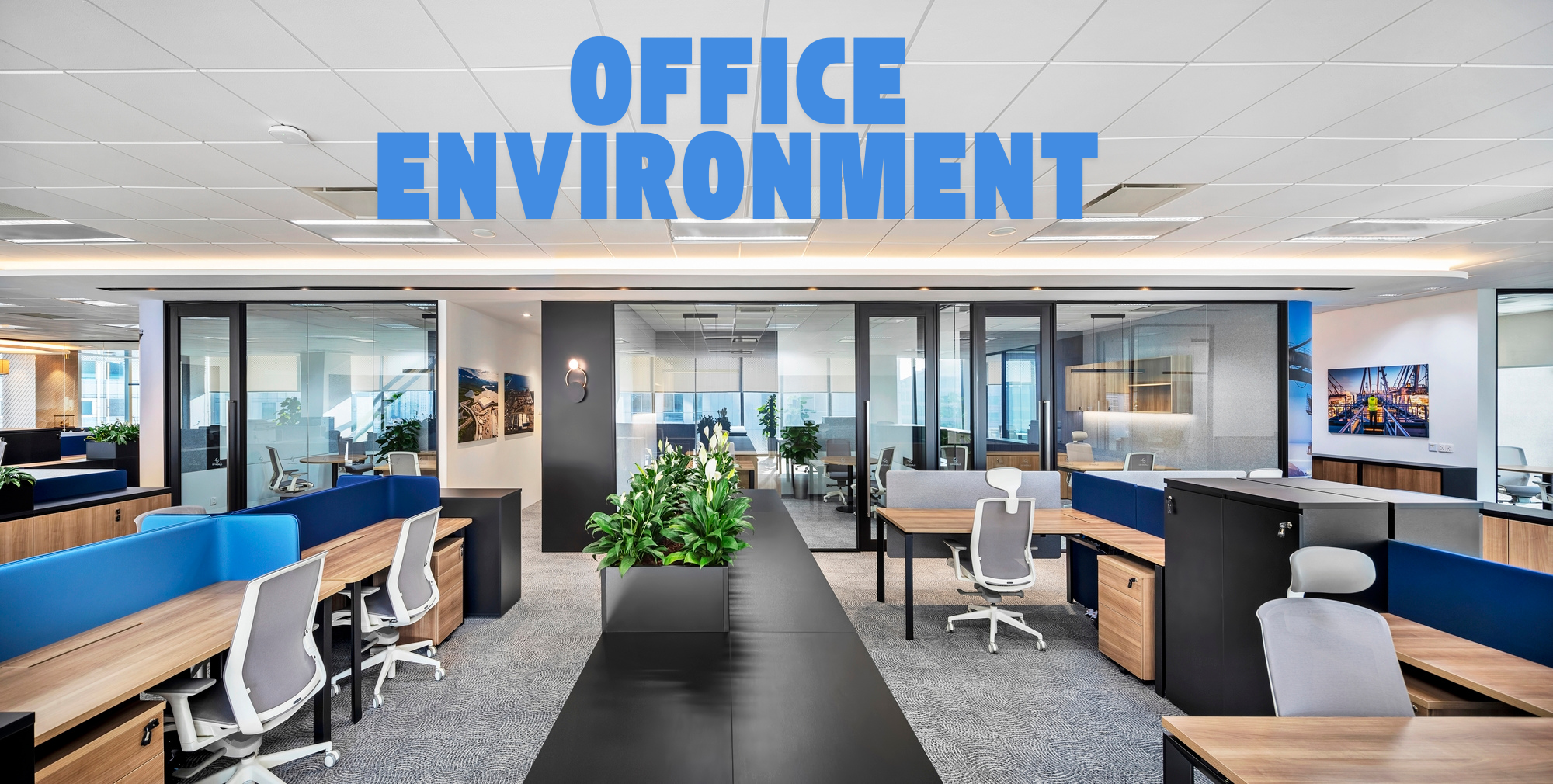
The immediate environment around an office plays a larger role than most expect.
Some areas are fast-paced and high energy, will others feel quieter and more contained. Neither is inherently better. The right choice depends on the nature of the business and the type of work being done.
For example, districts such as Raffles Place, Marina Bay, and Tanjong Pagar offer a vibrant, high-density environment with strong corporate presence and constant activity. These areas are often well suited for client-facing businesses, finance firms, and companies that benefit from proximity to clients, partners, and business activity.
On the other hand, locations such as Alexandra, one-north, and Mapletree Business City tend to be more contained and campus-like, with a quieter pace and more space. These environments can be better suited for teams that prioritise focus, collaboration, and longer periods of deep work.
The surroundings influence not just productivity, but also how people feel when they step into the office each day.
3. Talent Attraction and Retention

Office location has a direct impact on hiring and retention.
In a competitive job market, candidates often consider commute time and convenience before accepting a role. A well-located office that is easy to access and surrounded by amenities can be a strong advantage.
For existing employees, a convenient location reduces daily friction. Shorter commutes and better access to lifestyle options contribute to overall job satisfaction, which in turn supports retention over time.
4. Client Perception and Brand Positioning
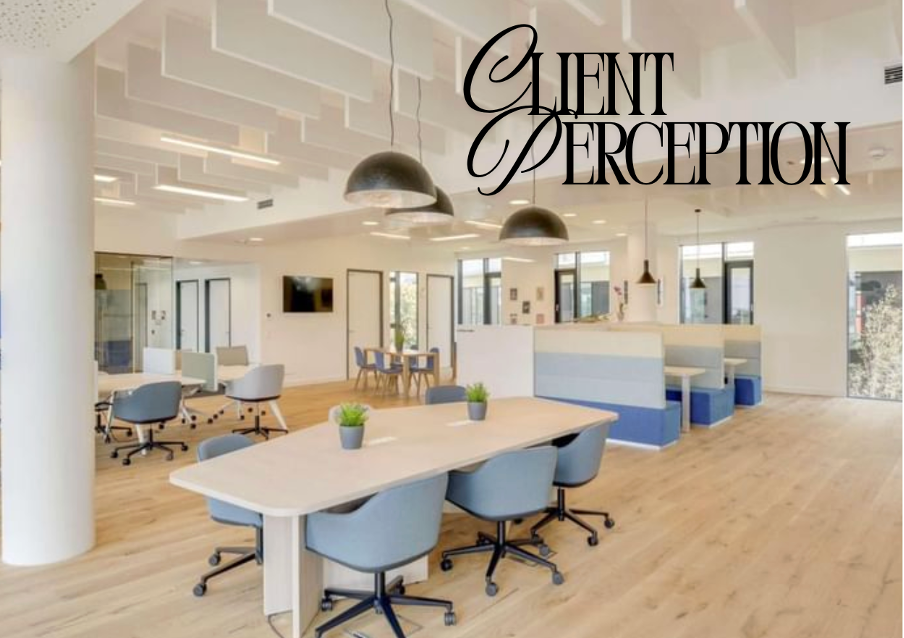
An office location can influence how a business is perceived.
While a prestigious address may create a strong first impression, it is not the only factor that matters. Accessibility, building quality, and the overall experience of visiting the office also play a role.
A location that is easy to reach, well-maintained, and thoughtfully positioned can reflect professionalism just as effectively as a well-known address. The goal is to align the office environment with the brand image the business wants to project.
5. Flexibility for Growth

A good office location should not only meet current needs, but also support future growth.
This includes considering whether the building or surrounding area allows for expansion, relocation within the same district, or access to flexible workspace options.
Businesses evolve, and office requirements often change over time. Choosing a location that offers flexibility helps avoid unnecessary disruption in the future.
6. Balance Between Cost and Value

Prime locations often come with higher rental costs, but value should be assessed beyond the price per square foot.
A slightly more expensive office in a well-connected area may reduce commuting time, improve employee satisfaction, and enhance client experience. These factors can justify the cost over time.
On the other hand, a lower-cost location that lacks accessibility or convenience may lead to hidden costs in the form of efficiency or reduced productivity.
The focus should be on overall value rather than just upfront cost.
Final Thoughts
Choosing an office in Singapore is about more than securing a recognised address. It is about finding a location that supports how a business operates on a daily basis, and how it plans to grow in the future.
Accessibility, environment, employee experience, and long-term flexibility all play a role in defining what makes a location truly suitable.
A well-chosen office does more than provide a place to work. It becomes part of the business itself, shaping how teams collaborate, how clients engage, and how the company presents itself over time.
At Vesper Homes, we work closely with businesses to identify office spaces that align not just with their requirements, but with the way they work and grow in Singapore. Reach out to us today.